

Have you been inspired by Paul Kirby and his amazing robot artist Dulcinea to pick up a brush and begin your own journey in painting? With the right mindset, anyone can be a painter, experiencing the mindfulness, creativity, and therapeutic effects of shaping an image on a canvas.
Painting offers a versatile and vibrant medium for creative expression that’s stood the test of time for a reason. With paint types available at a wide range of price points, it’s easy to dive right in, but you’ll need more than fun colors and a paintable surface to get started. To embark on this journey, the burgeoning hobbyist or artist must acquire the fundamental tools of the trade, including a well-curated selection of paintbrushes. Don’t know where to begin? That’s why we’re here!
In this guide, we’ll explore several different types of paintbrushes suitable for beginners, shedding light on their unique characteristics and uses. Let’s get started!
Related: The Importance of a Brushstroke
Flat & Wash Brushes
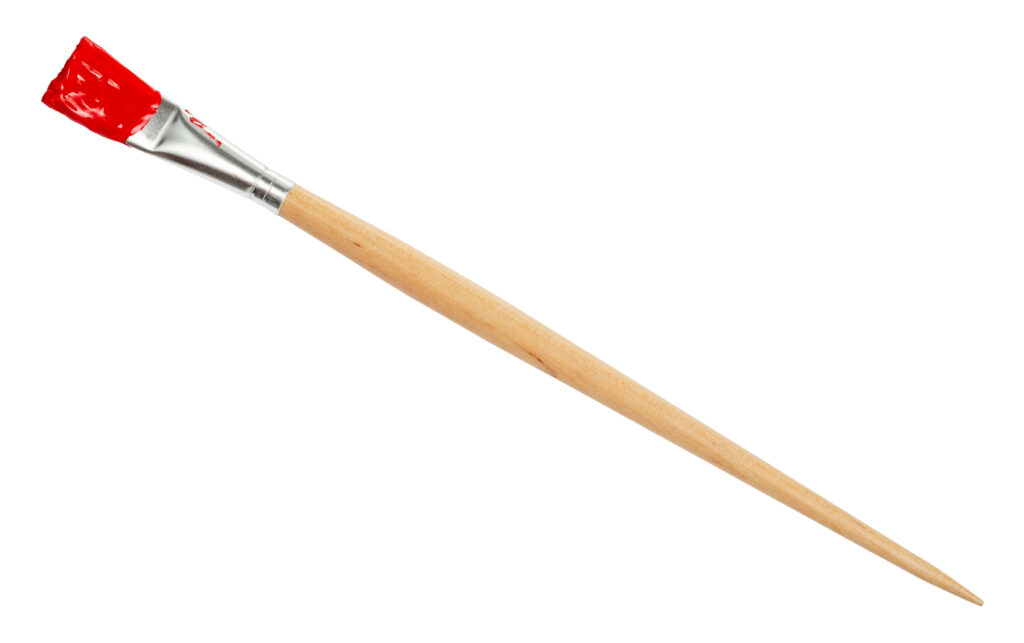
Flat brushes, characterized by their rectangular-shaped bristles, are the workhorses of painting. You might also see them referred to as “wash brushes” or “flat wash brushes.” These possess a consistent width from base to tip, making them ideal for bold strokes, broad washes, and creating precise edges. They excel at covering areas quickly and smoothly, making them an essential tool for backgrounds and base layers.
Paint with Purpose: 7 Basic Paintbrush Techniques
Round Brushes
Round brushes, with their pointed tips and round-shaped bristles, are versatile tools that can be utilized in various painting techniques. These brushes are particularly useful for creating fine details, intricate linework, and precise contours, but they’re also suitable for covering areas with bold strokes. Many artists find them ideal for blending and shading. Dulcinea often operates with this kind of brush to create stunning lines and capitalize on her ability to fully spin her wrist to take paint off of the entire brush.
Read More: How Paul and Dulcinea Make a Painting

Filbert Brushes
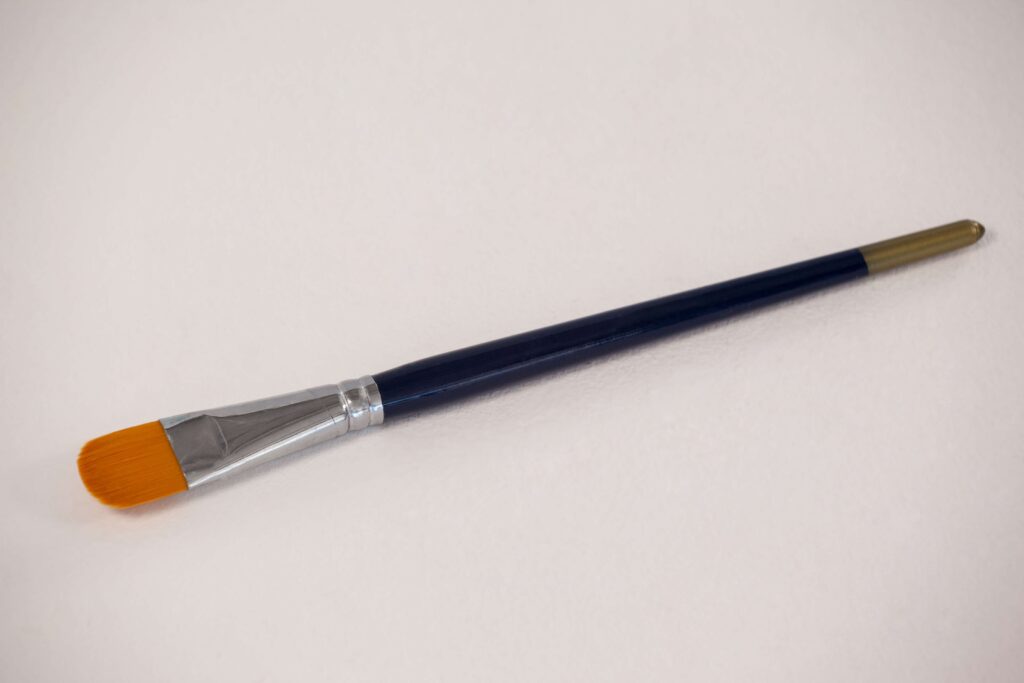
The filbert brush combines the characteristics of flat and round brushes, featuring flat bristles with rounded edges at the head. This unique shape enables artists to achieve both the broad coverage of a flat brush and the precision of a round brush all with one tool. Filbert brushes are excellent for creating organic forms, softening edges, and blending colors seamlessly. They’re often the go-to choice for painting subjects like landscapes, flowers, and figures. In fact, the filbert brush was a favorite of Monet’s, and greatly contributed to the mesmerizing visuals of the Impressionist movement.
Fan Brushes
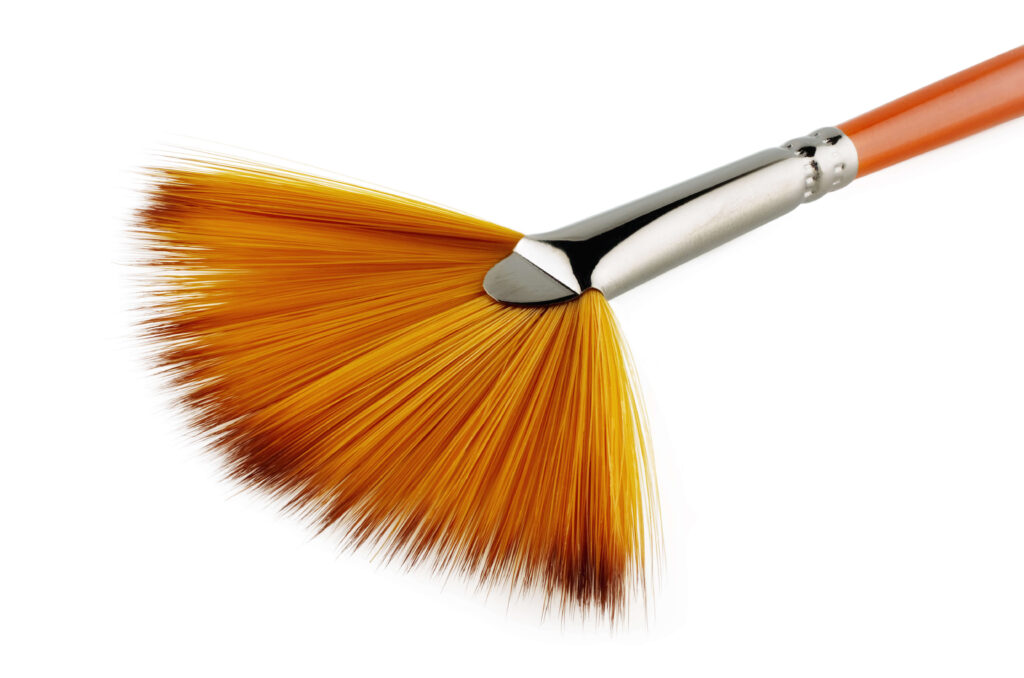
Fan brushes, as the name suggests, feature bristles arranged in a fan shape. These brushes are primarily used for creating texture, particularly when depicting natural elements such as trees, grass, or foliage. Fan brushes excel at producing subtle gradations, delicate wisps, feathery strokes, blending, and highlights. They can be daunting to beginners, but some casual experimentation with a fan brush can start to really elevate the depth and complexity of your painted works.
Angle Brushes
Angle brushes, distinguished by their angled bristles, are versatile tools that offer the best of both flat and round brushes. They enable artists to achieve sharp lines, controlled strokes, and precise details, and because of their unique shape, a simple twist of the wrist can change a stroke from thin to thick. Angle brushes are especially well-suited for painting geometric shapes, architectural elements, and capturing intricate patterns.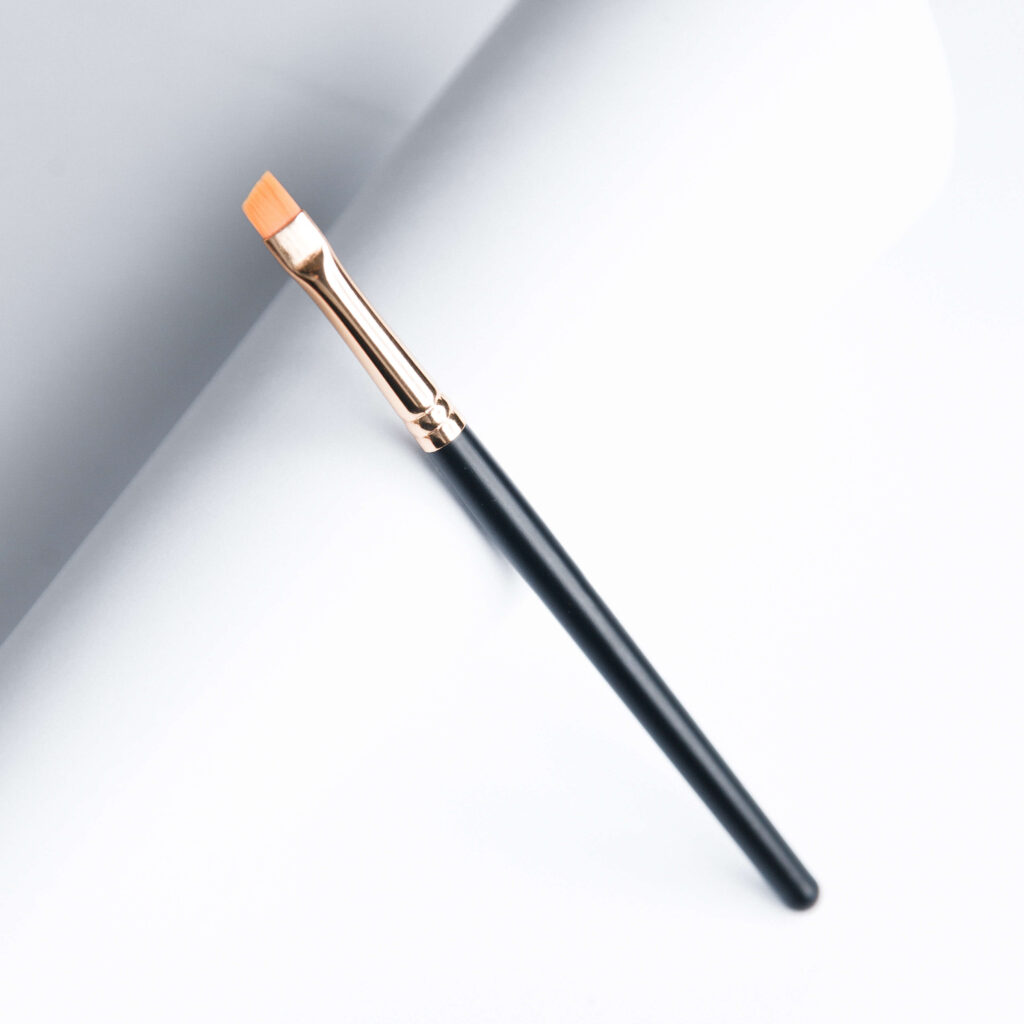
Detail Brushes
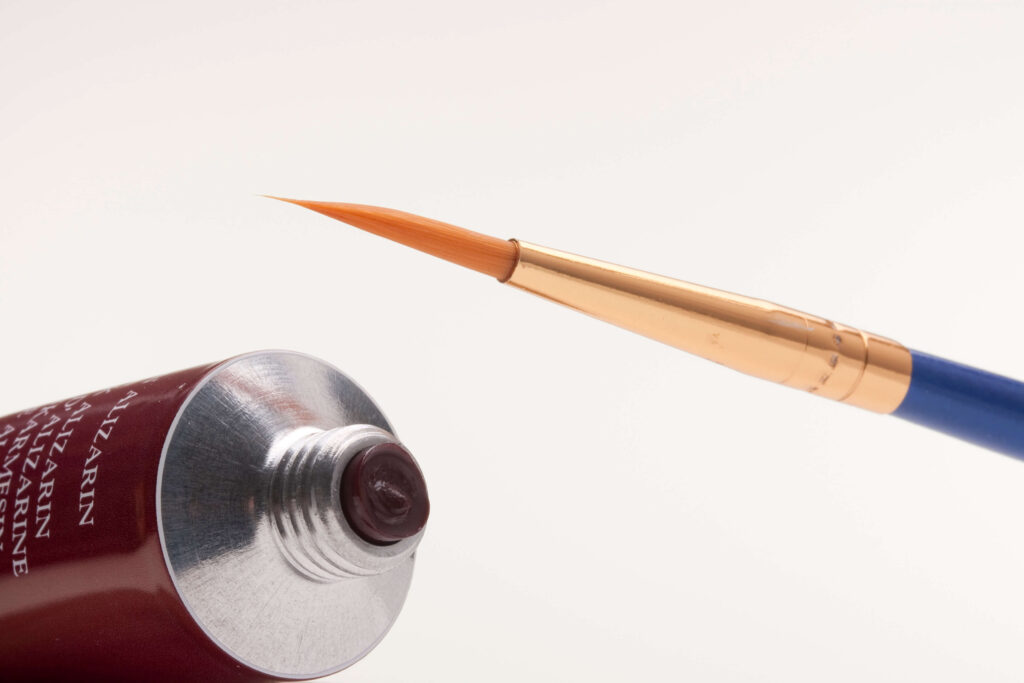
Detail brushes, also known as liner brushes, have long, thin bristles that come to a fine point. As you might imagine, these brushes are indispensable for adding intricate details, creating fine lines, and emphasizing small features in a painting. Whether it’s adding eyelashes to a portrait or intricate patterns to a still life, detail brushes offer the precision necessary for those final touches that bring a piece to life. These brushes can be more difficult to get the hang of, owing to less bristles, and therefore, less paint on the brush per stroke. As with anything, practice makes perfect!
See What’s Possible
By familiarizing yourself with the various types of brushes and their specific applications, you can empower yourself to experiment, refine your skills, and achieve your artistic vision with greater ease. Remember, lots of practice and experimentation are necessary ingredients for discovering the brushes that resonate with your personality and preferences.
Looking to see what’s possible? Hungry for inspiration? Hungry for inspiration? Dive into Dulcinea the painting robot’s gallery of artworks, and explore the amazing story behind every painting.
For continuing inspiration, in life as well as art, follow The Kirby Foundation Instagram, Facebook, Pinterest, and email newsletter.
Want to see Dulcinea come to life? Check out the inspiring short documentary film, Brushstroke.